Women's Wellness · Educational
What Does Gelatin Actually Do Inside a Woman's Body As She Gets Older?
Stick with us for three minutes. This video walks through why gelatin keeps coming up in conversations about collagen, fullness, and lean body composition — no hype, just context.
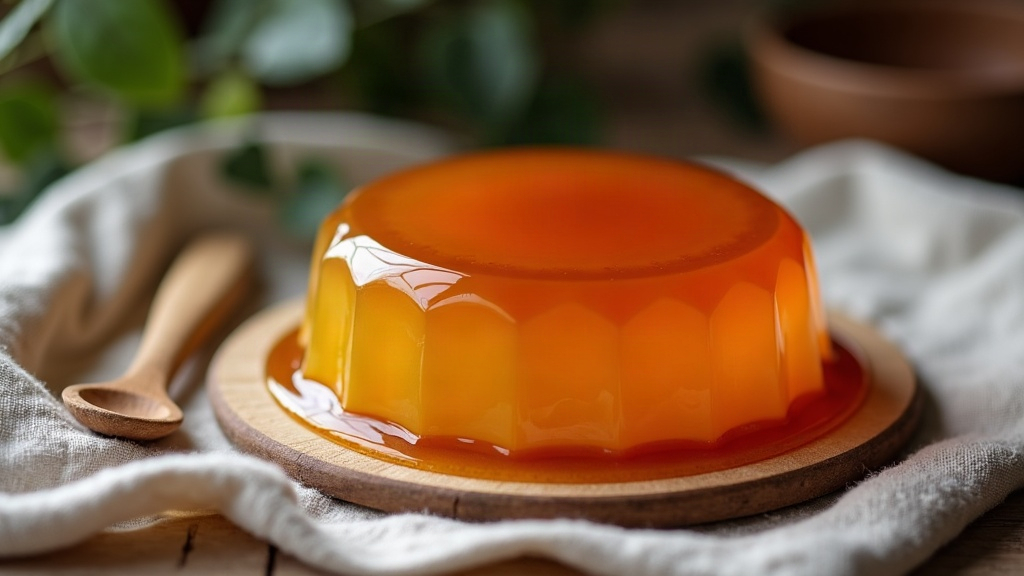
Why Does Your Body Feel Different Lately?
Something shifts. You’re not imagining it. Here’s what’s actually changing.
Collagen Production Slows
Your body naturally makes less collagen over time. Gelatin is simply cooked, broken-down collagen — that's the connection people are curious about.
Fullness Feels Different
Meals that used to hold you over don't always land the same way. Protein quality and timing play a role in how satisfied you feel.
Body Composition Shifts
Lean mass and fat distribution can change with age, hormones, and activity — it's a normal part of the picture, not a personal failing.
Traditional Diet Advice Falls Short
Generic calorie-counting rules were never built around a woman's changing physiology. That gap is exactly what this video explores.
Myths vs Facts About Metabolism
A lot of what circulates online about women’s metabolism doesn’t hold up. Let’s sort it out.
Metabolism just ‘breaks’ after a certain age.
Metabolic rate does shift gradually, but it’s influenced by muscle mass, sleep, and habits — not a switch that flips off.
All protein sources affect fullness the same way.
Protein types differ in amino acid profile, which is part of why some people look into things like gelatin as a dietary component.
You need to eat less and less forever to feel normal.
Sustainable habits usually focus on consistency and nutrient quality, not endless restriction.
A Simple Way To Think About It
No complicated system. Just three ideas the video breaks down.
Understand The Basics
Learn what gelatin is, where it comes from, and why it’s different from raw collagen supplements.
Look At Daily Habits
Small, repeatable choices around meals and routine tend to matter more than dramatic overhauls.
Watch The Full Explanation
The video ties it all together in a way that’s easier to follow than scattered articles.
An Old Kitchen Tradition, Revisited
Long before it was a wellness buzzword, gelatin came from a simple kitchen practice: simmering bones and connective tissue until it turned into broth, then letting it set. Grandmothers didn’t need a lab to know that homemade broth felt different from a quick meal. It was slow food, made from parts of the animal that modern diets often skip entirely.
The insight isn’t that old traditions had it all figured out — it’s that gelatin, as a concentrated form of collagen, is worth understanding on its own terms rather than dismissing as old-fashioned.
Signs Worth Paying Attention To
Hunger That Feels Unpredictable
Fullness cues that used to be reliable suddenly feel harder to read.
Skin That Feels Less Resilient
Changes in skin texture or elasticity are often mentioned alongside collagen conversations.
Joints That Feel Stiffer
Mild stiffness after activity is a common topic in women's wellness discussions.
Weight Distribution Changing
Clothes fitting differently even without major changes in habits.
Energy That Dips Midday
A slump that coffee doesn't seem to fully fix anymore.
Nails That Chip More Easily
Brittle nails are sometimes brought up as a visible, everyday sign.
What Women Are Saying

Testimonials reflect individual opinions and experiences. Individual results may vary. These statements have not been evaluated as claims of any specific outcome.
Common Questions
It’s gelatin that has been broken down into smaller pieces so it dissolves more easily in liquids. It comes from the same collagen source as regular gelatin, just processed differently.
They’re closely related. Gelatin is what you get when collagen is cooked and broken down. They come from the same source material.
No. It’s an educational piece meant to explain a topic, not to diagnose, treat, or promise any specific outcome.
Any woman curious about how her body changes over time and wants a clearer, calmer explanation than what’s usually online.
No. The video is about understanding a topic, not prescribing a diet plan.
The page may contain sponsored links, disclosed below. The video itself is presented as educational content.
It’s short — designed to be watched in one sitting without feeling like a lecture.
Curious What The Full Video Explains?
It’s a few minutes of your time, no pressure, no gimmicks — just a clearer look at a topic worth understanding.
Advertising Disclosure: This page contains sponsored content and affiliate links. We may receive compensation if you click a link or make a purchase through links on this page. This helps support our work and does not affect the price you pay.
Content Disclaimer: This content is for educational and informational purposes only. It is not intended to diagnose, treat, cure, or prevent any disease or medical condition. Statements have not been evaluated by the FDA. Always consult a qualified healthcare professional before making changes to your diet, supplement routine, or lifestyle.
Results Disclaimer: Individual results may vary. Testimonials and examples shared on this page reflect personal experiences and are not a guarantee of any specific outcome for you.
© 2026 · All Rights Reserved · /contact/